Sleep Apnea
Our clinic offers surgical treatments for sleep apnea, a common sleep disorder characterized by breathing pauses during sleep.
Obstructive sleep apnea (OSA) is a breathing disorder that occurs during sleep. It is characterized by recurrent episodes of partial or complete obstruction of the upper airways, leading to temporary interruption of breathing (apnea) or a significant reduction in airflow (hypopnea). These episodes can last from a few seconds to more than a minute and can occur multiple times per hour, disrupting the normal sleep cycle.
This respiratory syndrome affects approximately 4% of men and 2% of women aged between 30 and 60 years, and 28-67% of older men versus 20 to 54% of women in the same age group. There is a significant disparity between the prevalence of OSA and the number of patients whose condition is diagnosed and treated. In fact, 80% of cases of moderate and severe OSA in adults aged 30 to 60 years in the general population are undiagnosed.
Due to its significant impacts on health and quality of life, it is crucial to properly diagnose and treat obstructive sleep apnea, often in collaboration with sleep specialists, pulmonologists, otolaryngologists, and oral and maxillofacial surgeons when surgery is being considered.
It is important to note that surgery is generally not the first treatment option for OSA and is often considered when other treatments, such as continuous positive airway pressure (CPAP) or mandibular advancement devices, have not been effective or tolerated. Before recommending surgical intervention, the oral and maxillofacial surgeon will perform a thorough evaluation of your condition and skeletal profile to determine if you are indeed a candidate for surgery. Often, an abnormality or lack of projection of the jaws can have a significant impact on the volume of the upper airways. Maxillomandibular advancement surgery may then be considered. This surgery, performed by oral and maxillofacial surgeons, significantly improves the dimensions and stability of the pharyngeal airways, in addition to being associated with an anterior repositioning of the suprahyoid muscles. Analysis of the morphological changes using computed tomography after maxillomandibular advancement surgery shows a significant widening of the lateral and anteroposterior dimensions of the airways for a large majority of patients.
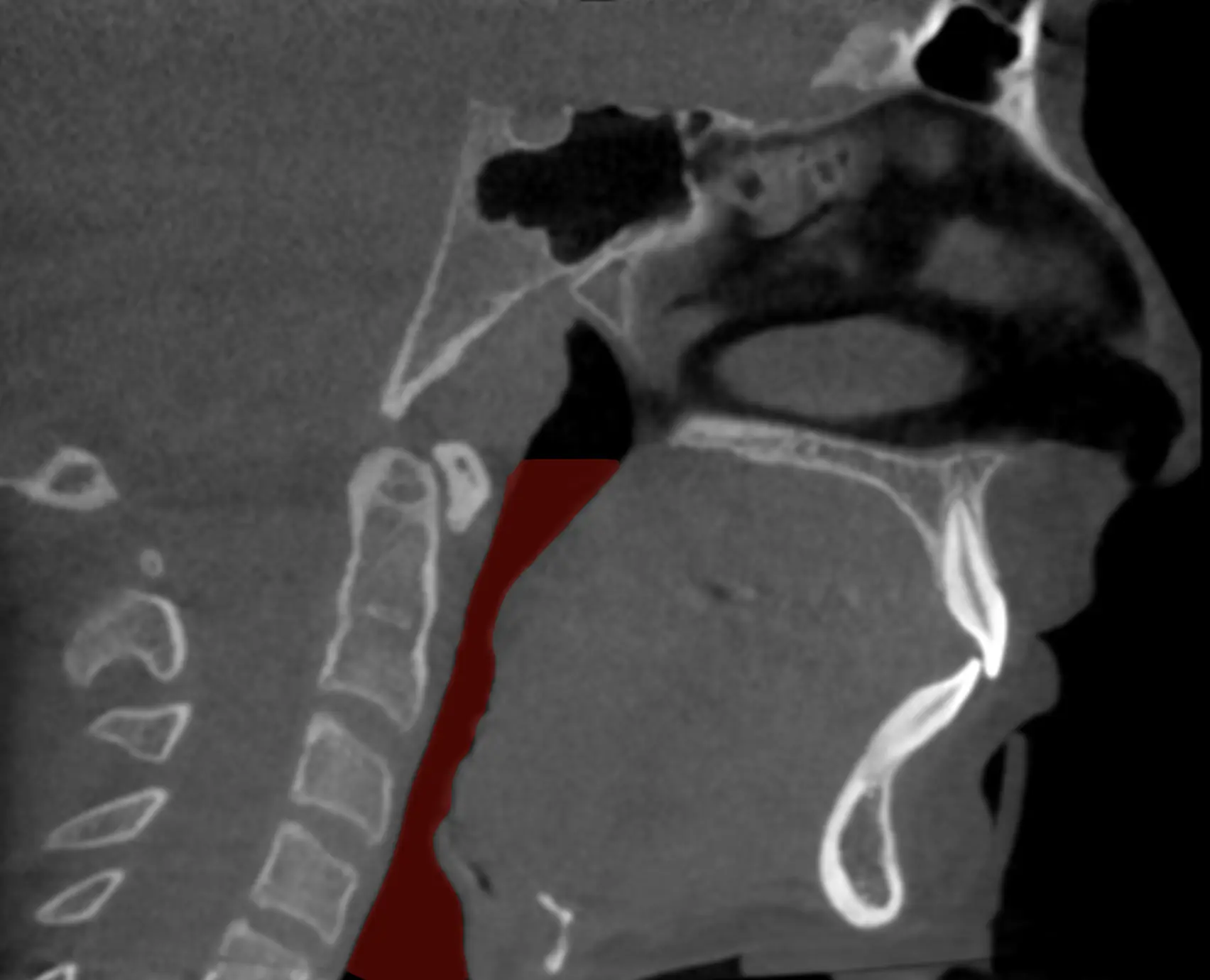
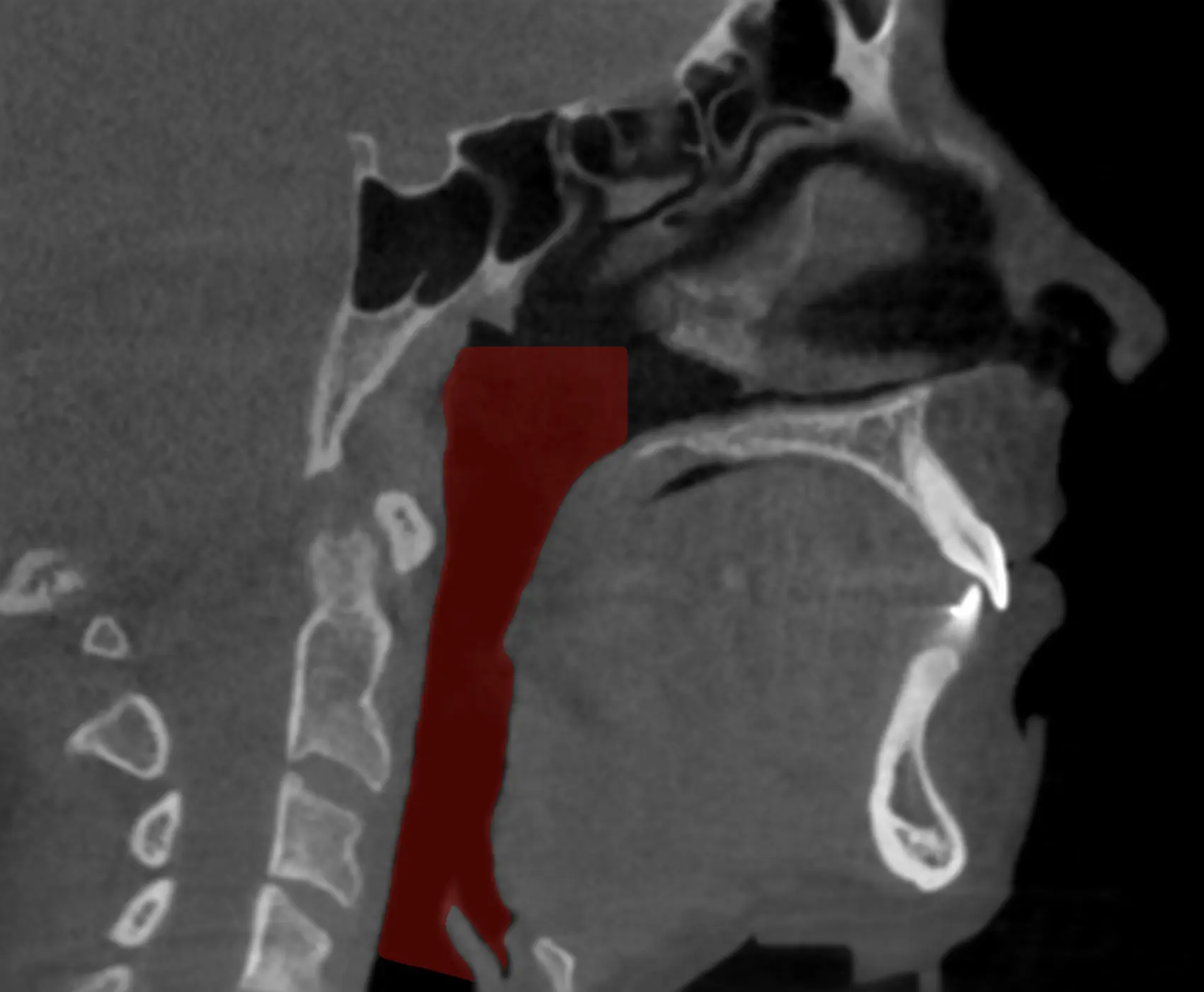
Source: Association of Oral and Maxillofacial Surgery Specialists of Quebec.
Contact Us
Contact us to schedule an appointment or to learn more about our maxillofacial surgery clinic in Montreal.
MesMaxillos Clinic
Office
Monday-Friday: 8AM-4:30PM
456 Boulevard Saint-Joseph Est, Montréal, QC H2J 1J7
(514) 600-3349
info@mesmaxillos.ca
Map
Vaudreuil-Dorion Clinic
Office
Monday-Friday: 8AM-4:30PM
486 Rue Chicoine #110, Vaudreuil-Dorion, QC J7V 7E4
(450) 455-1300
info@mesmaxillos.ca
Map
Maisonneuve-Rosemont Hospital
Office
5415 Assomption Blvd, Montreal, Quebec H1T 2M4
info@mesmaxillos.ca