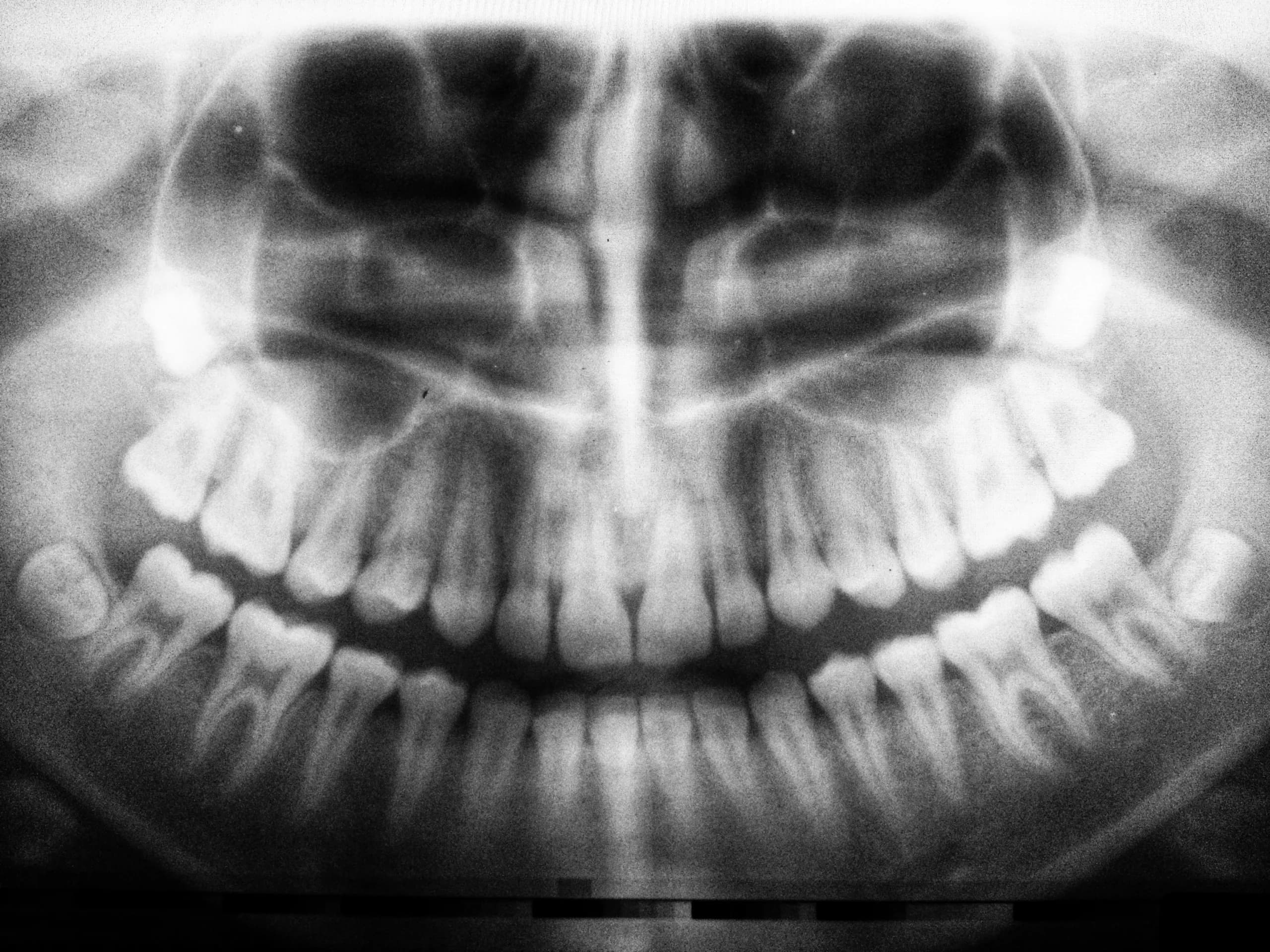
Orthognathic Surgery
Our clinic offers orthognathic surgery, a corrective jaw surgery to treat skeletal and dental irregularities.
La chirurgie orthognathique est une intervention chirurgicale corrective réalisée sur les os de la mâchoire pour traiter les anomalies de la structure faciale ou de l'occlusion dentaire. Elle vise à corriger les déséquilibres squelettiques de la mâchoire supérieure (maxillaire) et inférieure (mandibule) qui peuvent être à l'origine de problèmes fonctionnels, esthétiques ou de santé.
Voici quelques-unes des raisons courantes pour lesquelles la chirurgie orthognathique est pratiquée :
- Correction des malocclusions : Les malocclusions désignent les problèmes d'alignement des dents et des mâchoires qui peuvent affecter la capacité à mordre, à mastiquer et à parler correctement. Ces malocclusions peuvent être dues à des facteurs héréditaires, à une croissance anormale des mâchoires ou à des traumatismes.
- Amélioration de l'esthétique faciale : Certains patients peuvent avoir des déséquilibres esthétiques du visage, tels qu'un menton en retrait, un menton proéminent, une asymétrie faciale, ou une protrusion ou une récession excessive des mâchoires, qui peuvent être corrigés par la chirurgie orthognathique.
- Traitement de l'apnée du sommeil : Dans certains cas d'apnée obstructive du sommeil sévère, la chirurgie orthognathique peut être recommandée pour agrandir les voies respiratoires en avançant les mâchoires et en agrandissant le passage de l'air dans la gorge.
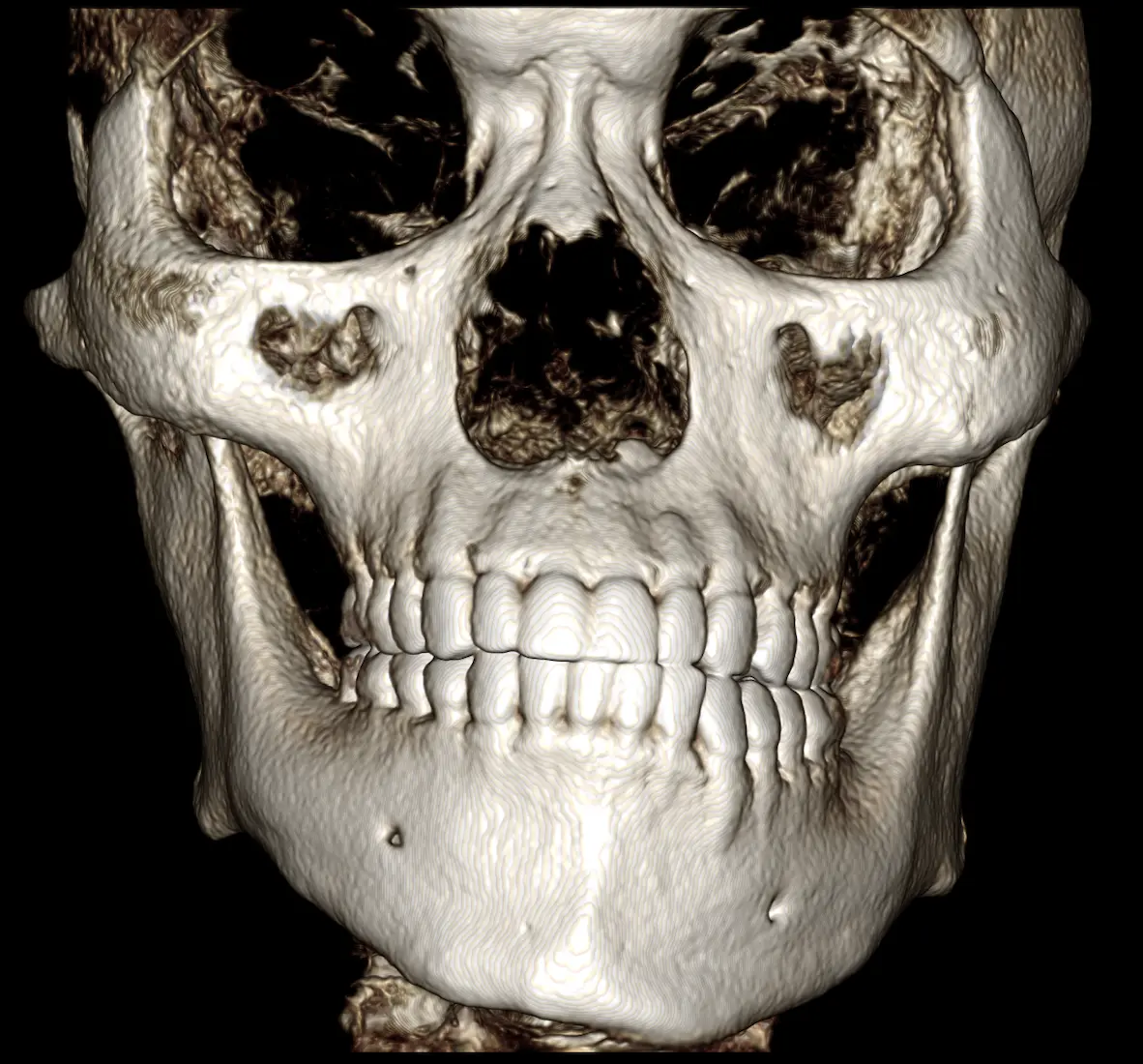
Orthognathic Surgery Step-by-Step
Here is an overview of the typical steps involved in orthognathic surgery:
- Initial evaluation: The process begins with a consultation with an oral and maxillofacial surgeon who evaluates the patient's jaw condition, dental occlusion, and facial structure. X-rays, photographs, and dental impressions may be taken to help establish an accurate diagnosis and plan the treatment.
- Treatment planning: In collaboration with an orthodontist, the surgeon develops a detailed treatment plan. This may include preliminary adjustments to dental alignment using orthodontic appliances to prepare the teeth for surgery. Precise planning is essential to determine the necessary jaw bone movements and achieve an optimal aesthetic and functional result.
- Pre-surgical preparation: Before the surgical procedure, the patient may need to wear orthodontic appliances for several months to align the teeth and create the necessary space for the planned bone movements. This pre-surgical phase is crucial for ensuring the success of the operation.
- Surgical procedure: The surgical procedure is performed under general anesthesia in a hospital setting. Drs. Poirier and Badri both operate in a university hospital setting on the island of Montreal. Depending on your surgery, it may not be necessary to be hospitalized, or you may need to stay for 1 to 2 days.
- Healing and recovery: After surgery, the patient is closely monitored during the recovery period in the hospital. Pain medication and antibiotics may be prescribed to manage discomfort and prevent infections. The recovery time varies depending on the extent of the surgery, but patients can generally return to a normal diet and their usual activities within a few weeks to a few months.
- Post-surgical orthodontic follow-up: Once the healing from the orthognathic surgery is complete, the patient typically continues with orthodontic treatment to finalize dental alignment and occlusion. Orthodontic adjustments may be necessary to perfect the occlusion.
Orthognathic surgery can bring significant functional and aesthetic changes, improving the quality of life for patients suffering from severe malocclusions or facial imbalances.
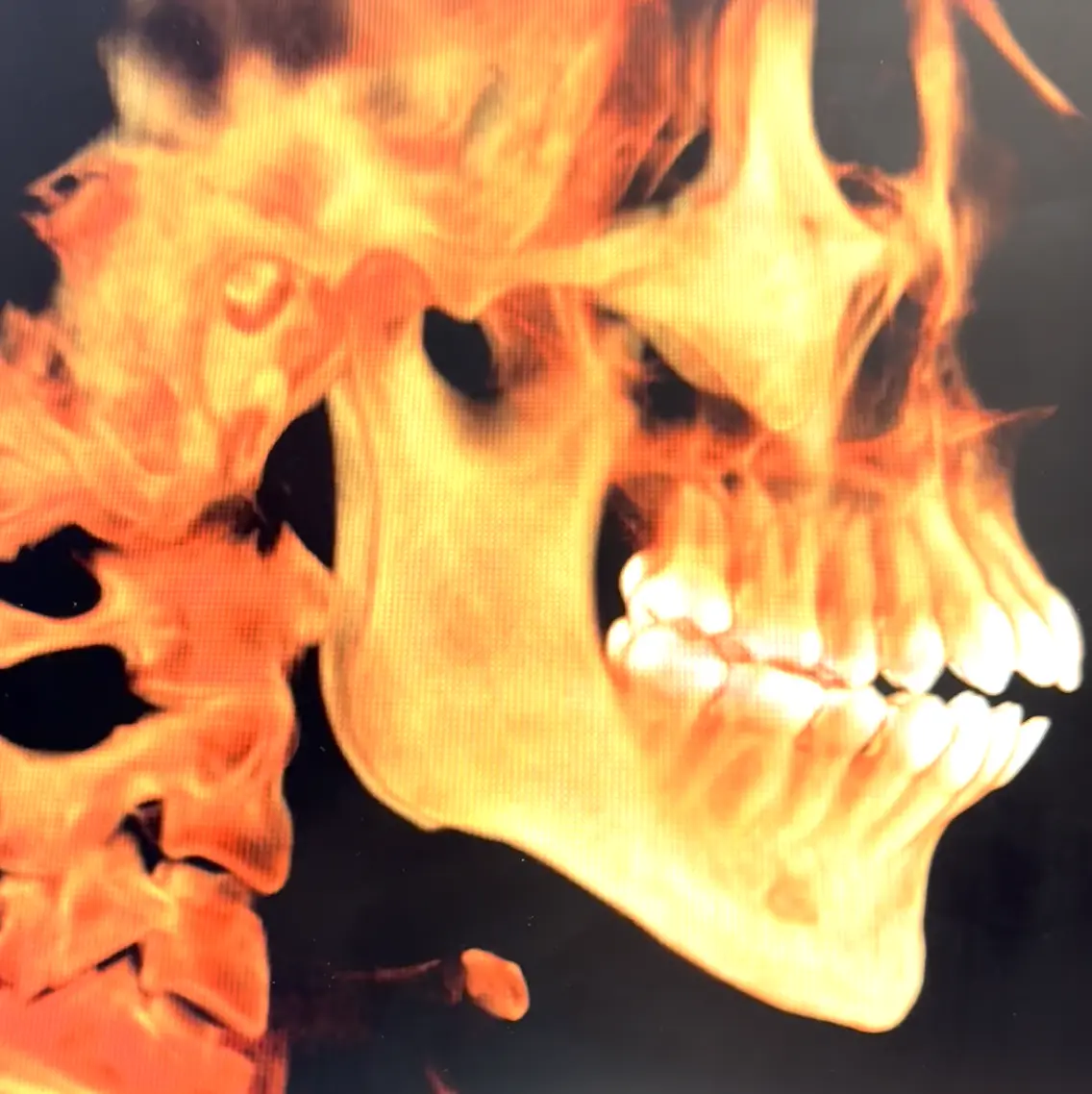
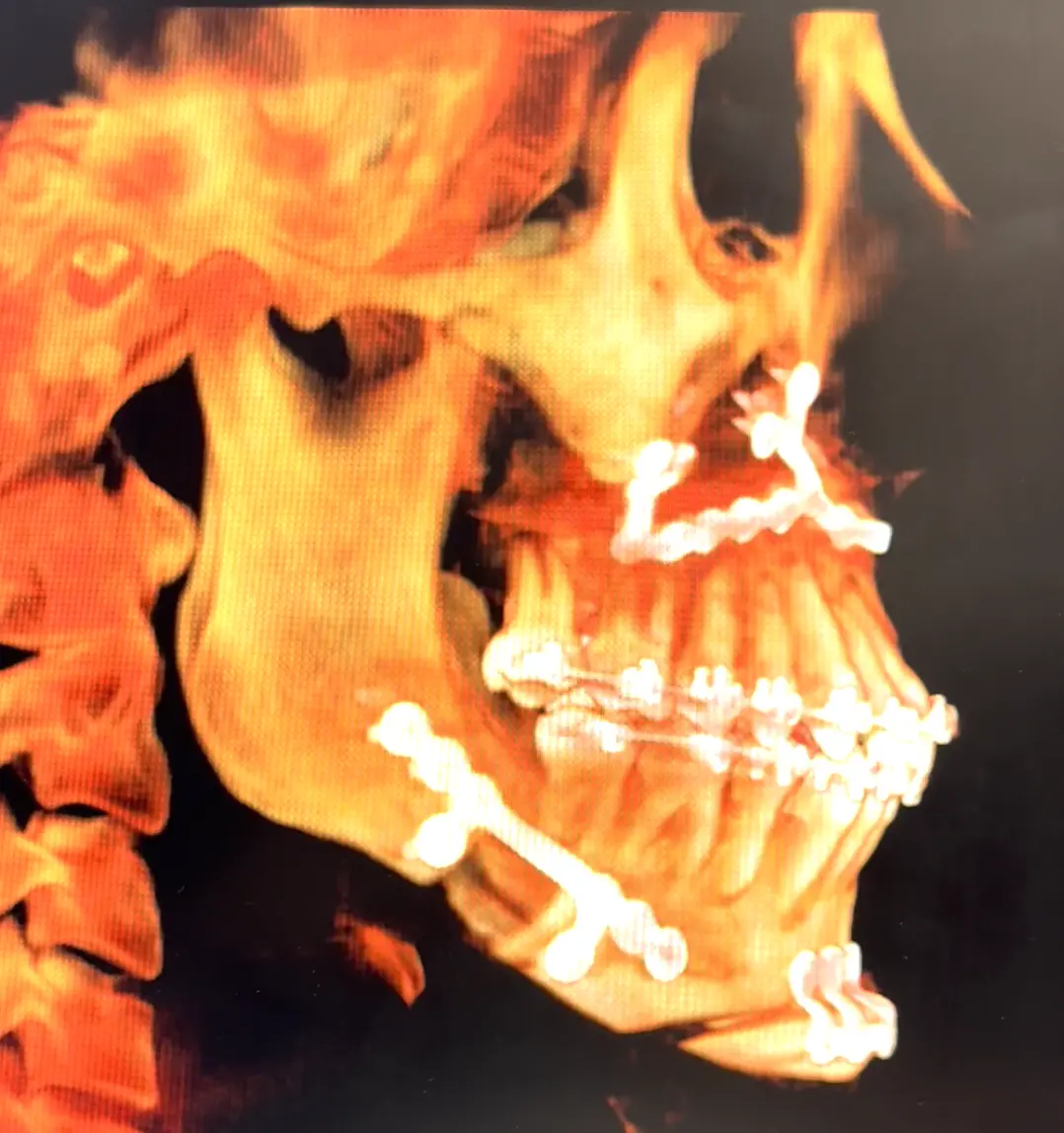
Contact Us
Contact us to schedule an appointment or to learn more about our maxillofacial surgery clinic in Montreal.
MesMaxillos Clinic
Office
Monday-Friday: 8AM-4:30PM
456 Boulevard Saint-Joseph Est, Montréal, QC H2J 1J7
(514) 600-3349
info@mesmaxillos.ca
Map
Vaudreuil-Dorion Clinic
Office
Monday-Friday: 8AM-4:30PM
486 Rue Chicoine #110, Vaudreuil-Dorion, QC J7V 7E4
(450) 455-1300
info@mesmaxillos.ca
Map
Maisonneuve-Rosemont Hospital
Office
5415 Assomption Blvd, Montreal, Quebec H1T 2M4
info@mesmaxillos.ca